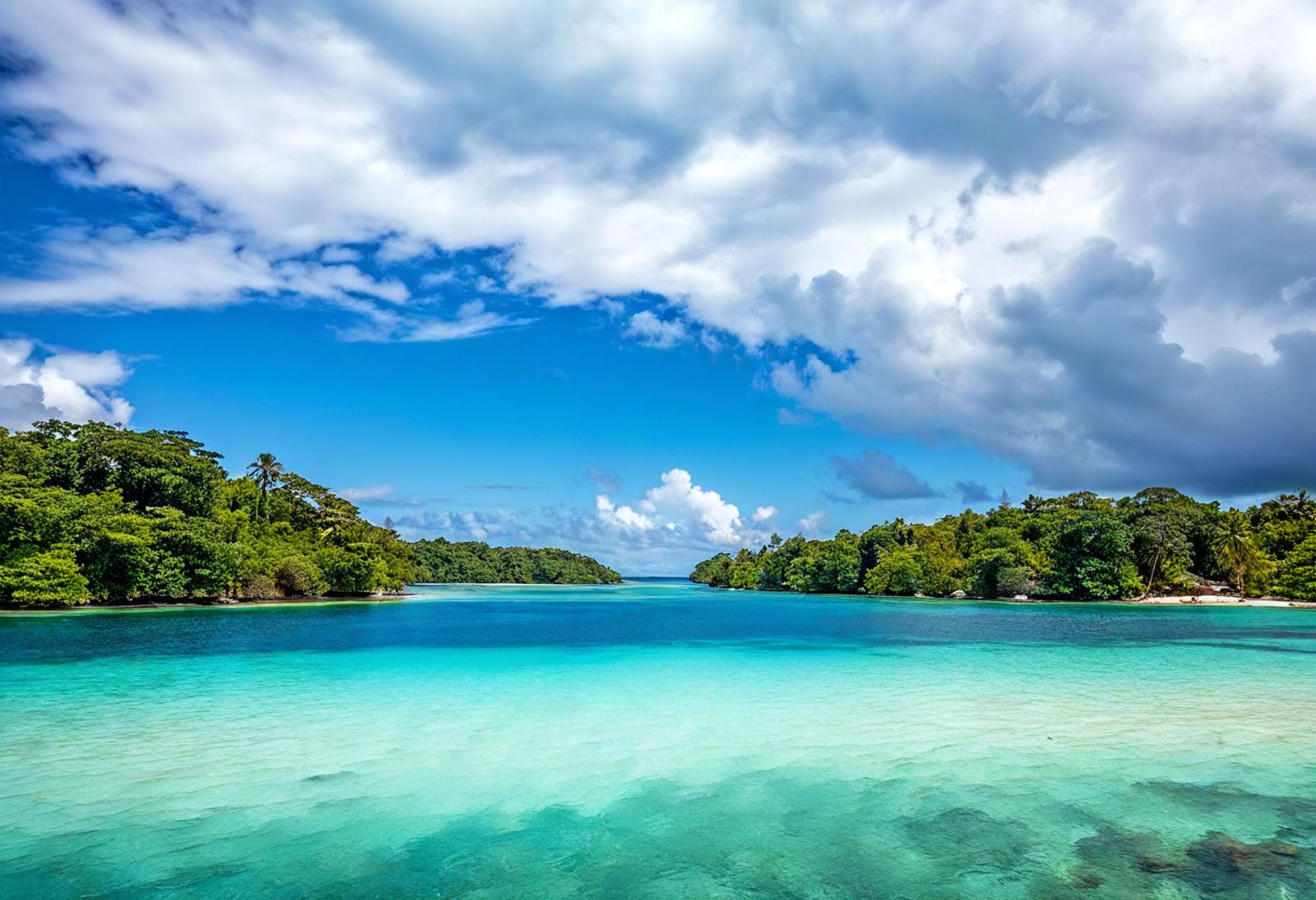
Vanuatu

VANUATU
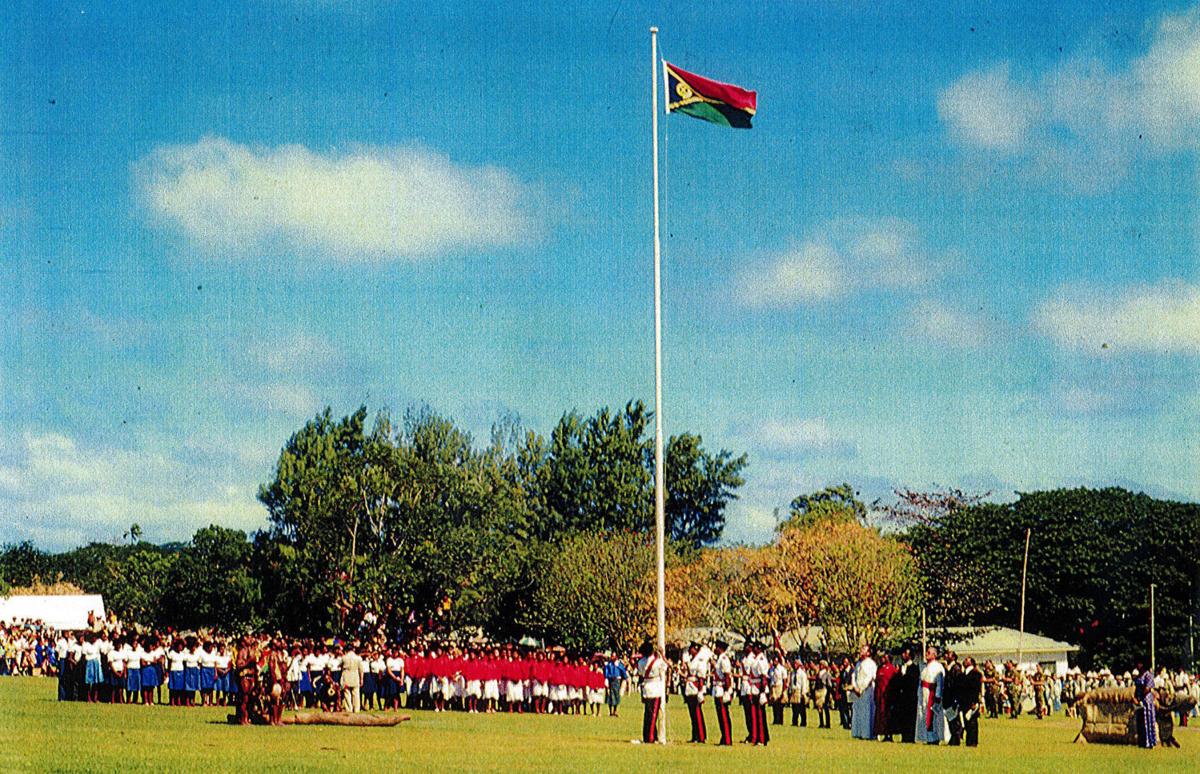
The Republic of Vanuatu is a picture postcard South Pacific island archipelago located some 1,750 kms east of Australia, 500 km north-east of New Caledonia, west of Fiji and south of the Solomon Islands. It was named the New Hebrides during its colonial period in the 1900s, which came to an end officially on 30th July 1980 with the declaration of Independence.
Vanuatu is only 2.5 hours flying time North East of Brisbane and 3.5 hours from Sydney, Australia. It's a little over 2 hours from Auckland, New Zealand. There are regular flights from New Zealand, Honiara, Australia, Noumea and Fiji.
The people are renowned for their friendliness and hospitality, and this beautiful island nation has been attracting a steadily rising number of tourists and investors over the last several years.
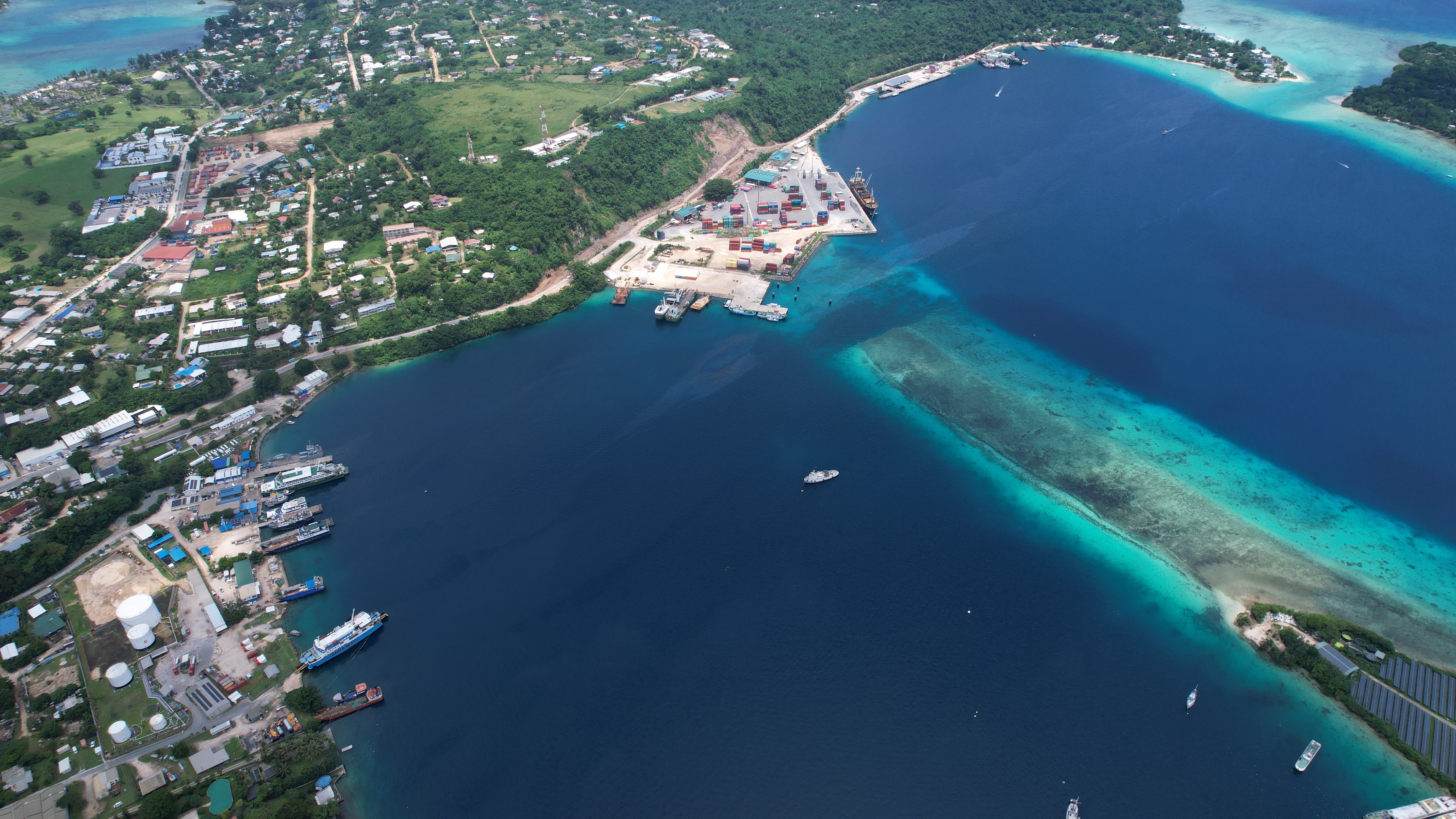
The recent growth in the real estate market reflected not only the worldwide phenomenon but also recognized the extremely good value of particularly prime real estate focused on the lagoons and coastal areas close to Port Vila on Efate Island and Luganville on Santo Island.
Vanuatu combines both economic opportunity and lifestyle. There are dozens of restaurants, numerous sporting and leisure activities, a wide mix of nationalities and a village feel that keeps this “clean, green and small” emerging nation popular popular for investors and sea changers.
Vanuatu is an archipelago of 83 islands, of which two — Matthew and Hunter — are also claimed by the French overseas department of New Caledonia. Of all the 83 islands, 14 have surface areas of more than 100 square kilometers, from largest to smallest: Espiritu Santo (3956 km), Malakula (2041 km), Éfaté (900 km), Erromango (888 km), Ambrym (678 km), Tanna (555 km), Pentecôte (491 km), Épi (445 km), Ambae or Aoba (402 km), Vanua Lava (334 km), Santa Maria (328 km), Maéwo (304 km), Malo (180 km) and Anatom or Aneityum (159 km).
Most of the islands are mountainous and of volcanic origin, and have a tropical or sub-tropical climate. The nation's largest towns are the capital Port Vila, which is situated on Efate, and Luganville, on Espiritu Santo. The highest point in Vanuatu is Mount Tabwemasana, at 1879 m (6158 ft), on the island of Espiritu Santo. There are several active volcanoes in Vanuatu, including Yasur on the island of Tanna, one of the world’s most accessible volcanoes.
| Full Name: |
Republic of Vanuatu |
| Independence Date: |
30th July 1980 |
| Capital City: |
Port Vila (on the island of Efate) Population 60,000 (approx.) |
| Time Zone: |
GMT/UTC +11 |
| Languages: |
English (official), French (official), Bislama |
| Religion: |
Christian (84%), animist (16%) |
| Currency: |
Vatu (VT or VUV) |
| Electricity: |
220V 50Hz |
| Total Land Area: |
4,710 sq mi (12,200 sq km) |
| Population (2021 est.): |
315,114 |
| Ethnicity/Race: |
Ni-Vanuatu 98.5%, other 1.5% (1999) |
| Religions: |
Presbyterian 31%, Anglican 13%, Roman Catholic 13%, Seventh-Day Adventist 11%, other Christian 14%, indigenous beliefs 6% (including Jon Frum Cargo cult), none 1% |
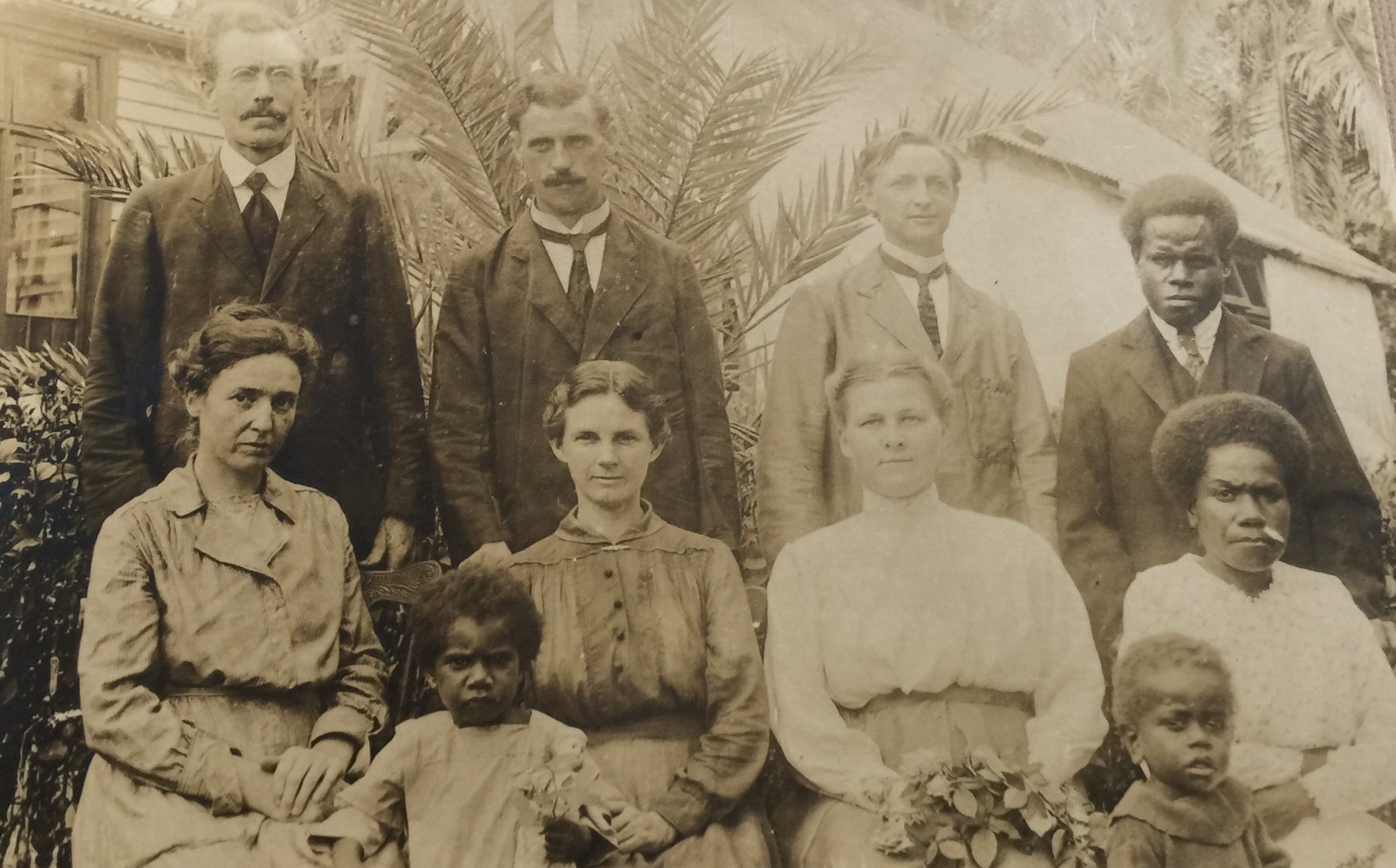
The first settlers are believed to have arrived approximately 3,500 years ago from New Guinea and the Solomon Islands by canoe.
In 1605, the Portuguese explorer Pedro Fernández de Quirós became the first European to reach the islands, believing it to be part of Terra Australis. Europeans began settling the islands in the late 18th century, after British explorer and navigator James Cook charted the islands in 1774, naming the archipelago the New Hebrides, after the islands located off the north west coast of Scotland.
Competing British and French claims to the islands led to the formation of a condominium government, allowing for joint British-French rule in 1906. The islands' plantation economy, based on imported Vietnamese labor, was prosperous until the 1920s, when markets for its products declined.
Diseases brought by missionaries, sandalwood traders, and others helped reduce the population from approximately 1 million in 1800 to 45,000 in 1935. The islands served as a major Allied base in World War II. After the war, the indigenous Melanesians began lobbying for independence, which in 1980 the country achieved. It was then renamed Vanuatu.
Many of the islands of Vanuatu have been inhabited for thousands of years, the oldest archaeological evidence found dating to 2000 BC.
In 1887, the islands began to be administered by a French-British naval commission. In 1906, the French and British agreed to an Anglo-French Condominium on the New Hebrides.
During World War II, the islands of Efate and Espiritu Santo were used as allied military bases. In the 1960s, the ni-Vanuatu people started to press for self-governance and later independence; full sovereignty was finally granted by both European nations on July 30, 1980. It joined the UN in 1981, and the Non-Aligned Movement in 1983.
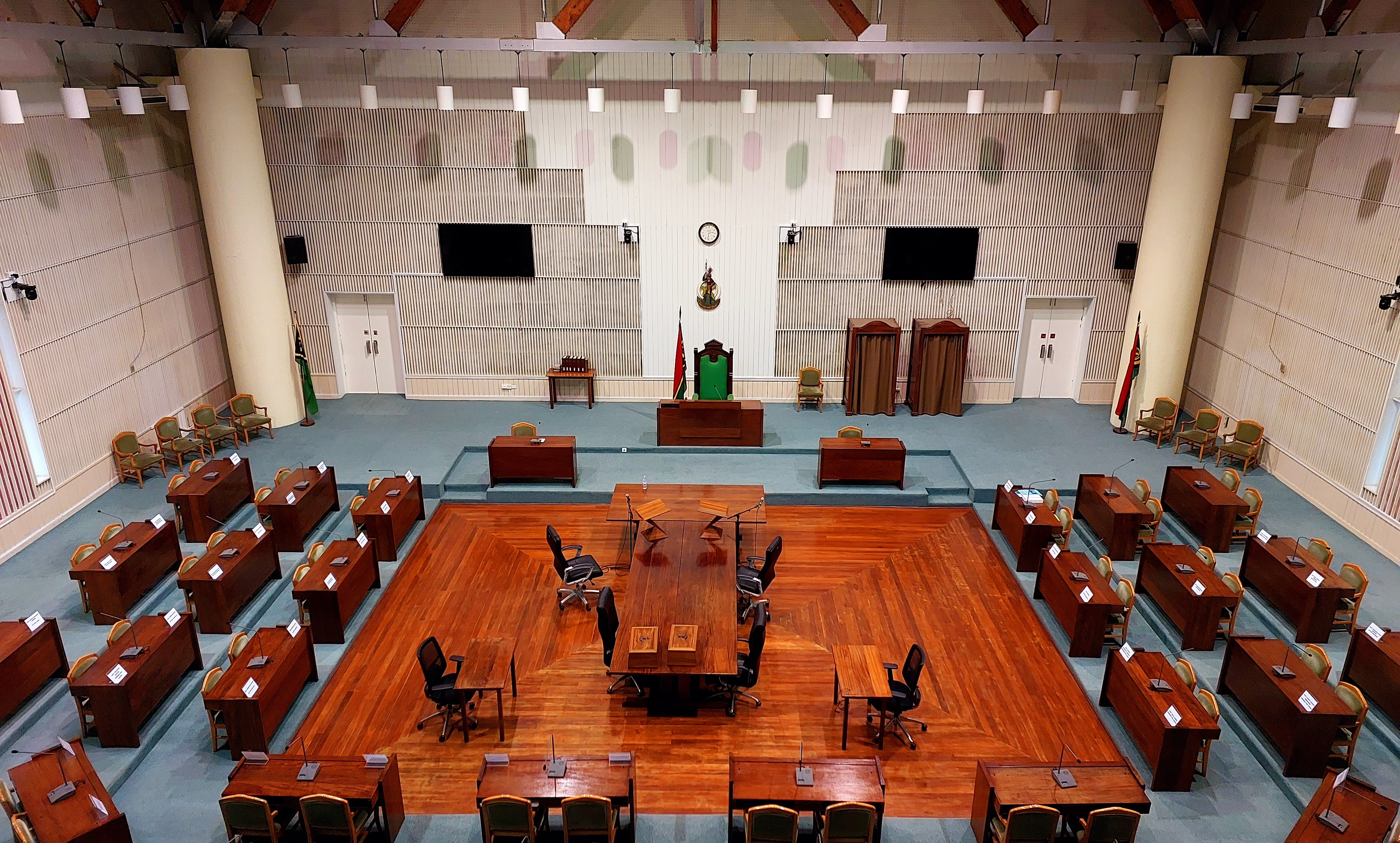
The national parliament of Vanuatu has a single chamber of 52 members. These members are elected every four years by popular nationwide vote. The leader of the main party in the parliament is usually elected Prime Minister, and heads the government, however the recent trend has been towards coalition governments. The head of state, the President, is chosen every five years by the parliament and the presidents of the six provincial governments.
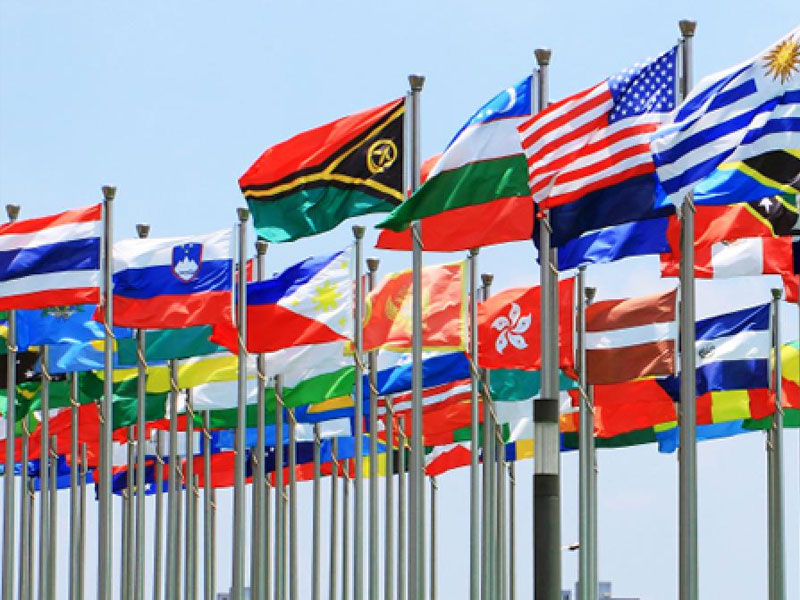
Vanuatu maintains relations with nearly 70 countries, however, only Australia, the European Union, France, New Zealand, and the People's Republic of China maintain embassies, high commissions, or missions in Port Vila.
Successive government's main concern has been to bolster the economy, based on “Private Sector Led Growth.” The Government set up the Vanuatu Foreign Investment Promotion Authority (VFIPA) specifically to help attract foreign investment and process foreign investment applications.
In keeping with its need for financial assistance, Vanuatu has joined the Asian Development Bank, the World Bank, the International Monetary Fund, and the Agence de Cooperation Culturelle et Technique.
The government encourages private enterprise, foreign investment, and producer cooperatives. Like other developing countries, Vanuatu is particularly interested in enterprises that add value to local primary products and that provide employment. In less lucrative sectors, the government sets up its own production companies or enters joint ventures with foreign investors.
Since 1980, Australia, the United Kingdom, France, and New Zealand have provided the bulk of Vanuatu's development aid. A number of other countries, including Japan, Canada, Germany, and various multilateral organizations, such as the Economic and Social Council for Asia and the Pacific, the UN Development Program, the Asian Development Bank, the European Economic Community, and the Commonwealth Development Corporation also provide developmental aid. The United States, Canada, Australia, New Zealand, the United Kingdom, and Japan also send volunteers.
Vanuatu is a member of the United Nations and its specialized and related agencies, including the World Bank and the International Monetary Fund; South Pacific Commission; South Pacific Forum; Non-Aligned Movement; Commonwealth, Group of 77; and Asian Development Bank (ADB).
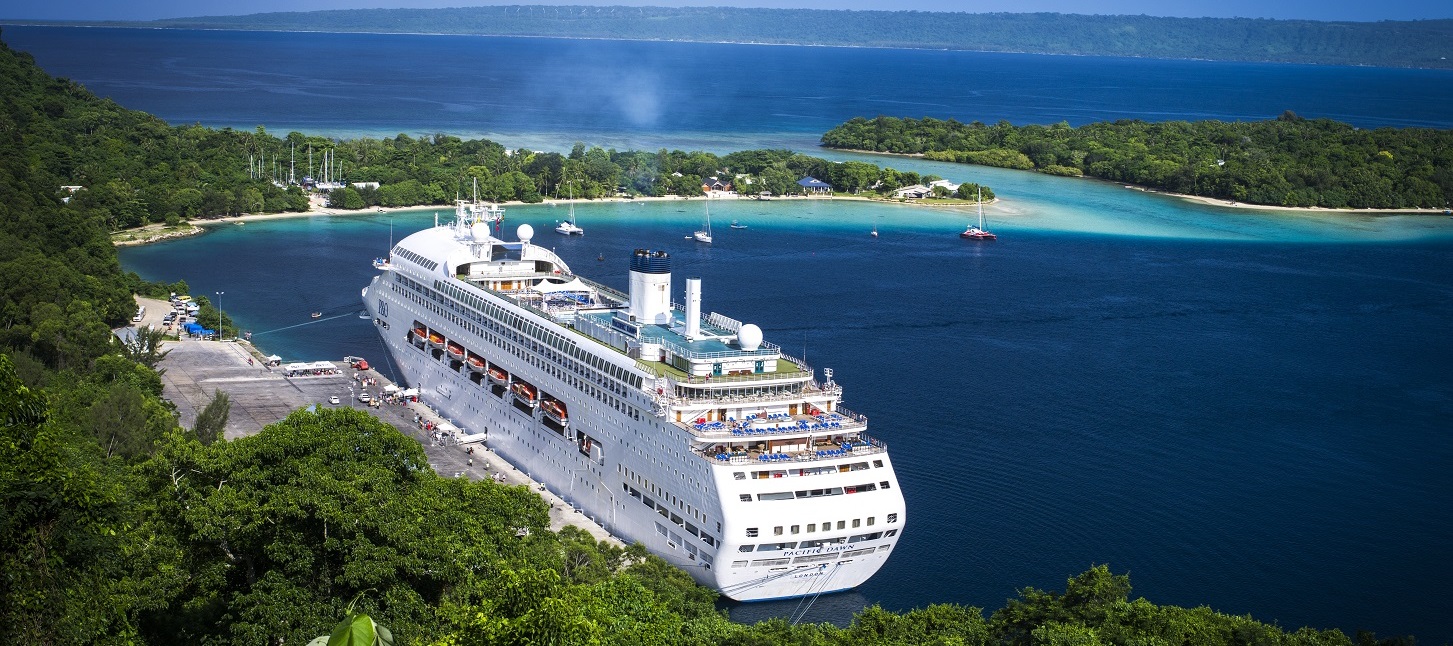
According to the most recent data Tourism continues to be the single biggest sector (40%) of the Vanuatu economy, employing thousands of Ni-Vanuatu.
The economy is based primarily on subsistence or small-scale agriculture, which provides a living for 65% of the population. Fishing, offshore financial services, and tourism (with about 60,000 visitors in 2005), are other mainstays of the economy. Mineral deposits are negligible; the country has no known petroleum deposits. A small light industry sector caters to the local market. Tax revenues come mainly from import duties and a 15 percent Value Added Tax (VAT) on goods and services.
- No Personal Income Tax
- No Company Income Tax
- No Capital Gains Tax
- No Estate Or Death Duties
- No Tax On Interest Earned In Bank Accounts
- No Tax Treaties With Other Countries
- No Currency Exchange Controls
- Property Transactions May Be Contracted In Any Currency
- There Are Several Established International Banks, Solicitors Firms & Insurance Companies
- The Right To Repatriate Investment Is Guaranteed By Law
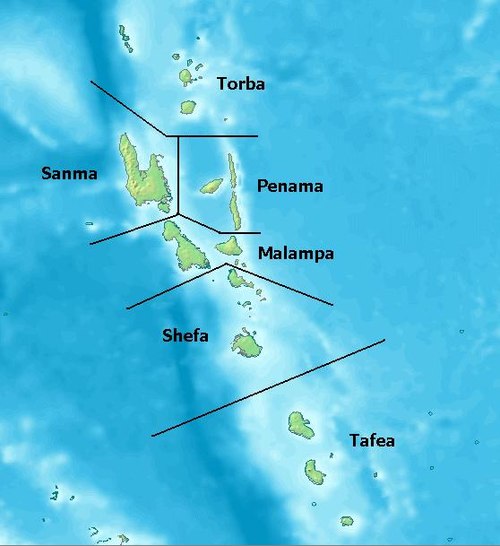
Since 1994, Vanuatu has been divided into the six provinces of::
- Malampa
- Penama
- Sanma
- Shefa
- Tafea
- Torba
The main Islands within these provinces include Banks and Torres (Torba), Espiritu Santo (Sanma), Maewo and Pentecost (Penama), Malekula, Ambrym (Malampa), Epi, Efate (Shefa), Erromango, Tanna and Aneityum (Tafea).